Blog

Stories, trip reports, and planning tips from East Africa.

Browse by topic

Filter stories by category or tag

Clear filters
Showing: #Rwanda · 5 posts
Same Rwanda Travel Tips
2026-08-29 · 2 min read

Same Rwanda Travel Tips

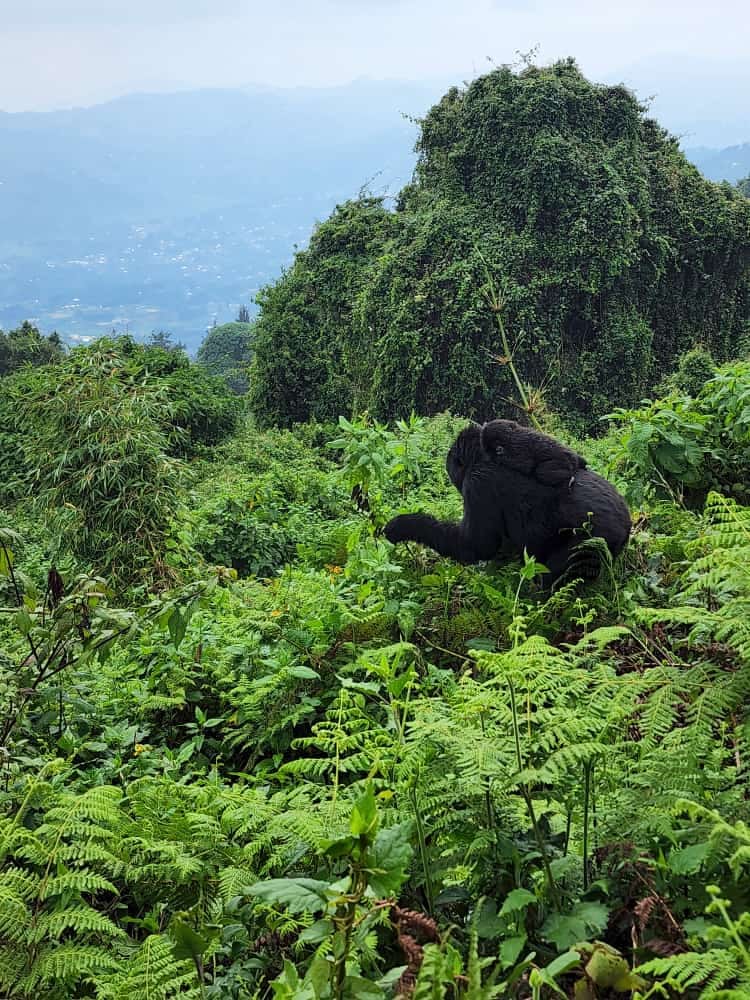
Money and currency: Rwanda’s unit of currency is the Rwandese Franc (RWF): Notes are RWF 500, 1,000, 2000, and 5000, while coins are RWF 1, 5, 10, 20, 50 and 100. It is recommended to travel with US dollars as most banks and Forex Bureaus do not accept traveler’s cheques in exchange for cash. Only banks, Forex Bureaus, hotels and lodges are authorized dealers as recommended by the company to change money. US$ bills produced before 2000 are not mostly accepted, while those produced between 2001 – 2009 will fetch a lower exchange rate same as small bills (5, 10, 20). Credit cards are usually accepted at hotels, souvenirs shops and shopping malls in Rwanda. (Except local markets.) Kenya, Tanzania, Uganda and Burundi currency is not accepted here, but can be exchanged only in local banks, at the airport and Forex Bureaus. Visitors may import an unlimited amount of foreign exchange. Language: Kinyarwanda is the only one National language, while French, English and Swahili are official languages. English is widely spoken throughout the country. Mountain Gorilla, Golden Monkeys, Chimpanzees and Angolan Colobus Monkeys Permits needs to be arranged well in advance through your local tour operator like us ( Real Life Safaris,...). The Single sales agent for permits is at the Rwanda Development Board Office at the Kigali headquarters. General Clothing: Informal and casual dress in comfortable lightweight cottons is appropriate. A hat and a pair of sunglasses are advisable for protection against the sun Laundry can be done at most lodges, but please make sure you hand in you laundry requirement at least a day before departure. Note: express laundry facilities might not be available in all hotels/lodges. Light comfortable shoes such as lightweight hiking boots are recommended. Be prepared for cool evenings at higher altitudes of Volcanoes and Nyungwe national parks where you may need a pullover and trousers/jeans. For more information, contact us as our guiding team are always ready for you.
Same Tips before visiting Rwanda · Rwanda
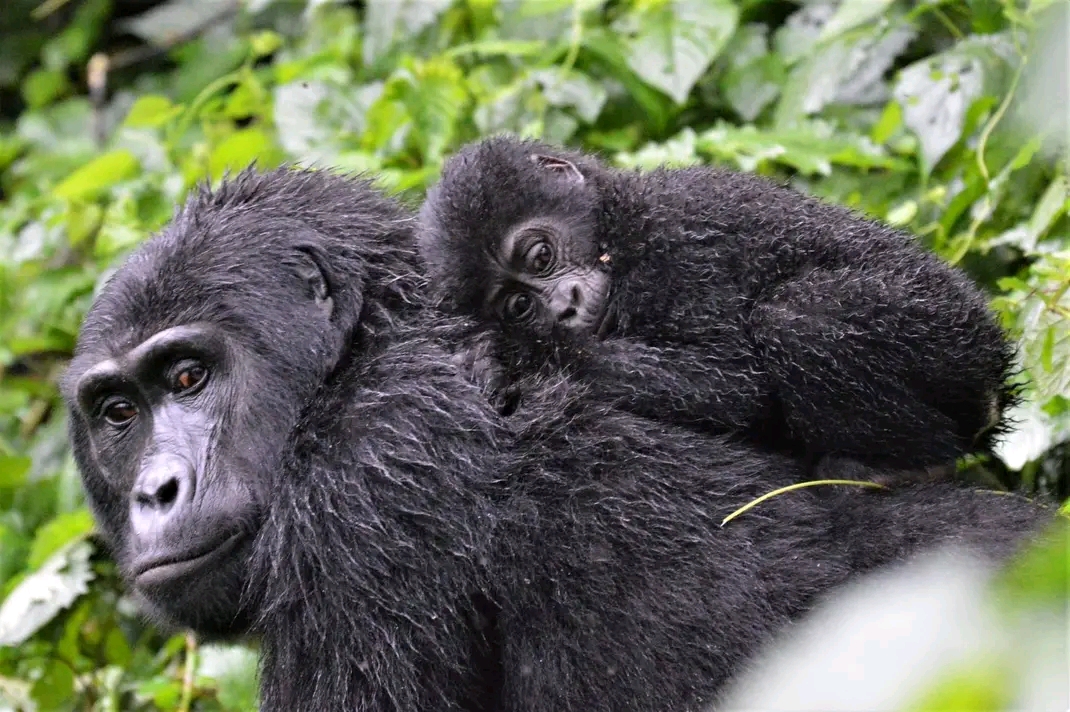
22 Babies of Mountain Gorillas will get names on 4th September 2026
2026-08-11 · 2 min read

22 Babies of Mountain Gorillas will get names on 4th September 2026

Kwita Izina 2026. The 21st Kwita Izina Gorilla Naming Ceremony will take place on Friday, 4 September 2026, at the foothills of Volcanoes National Park in Kinigi, Musanze District. Held under the theme “Conservation is Life: Sustaining the Future,” the ceremony will celebrate Rwanda’s conservation achievements while highlighting the importance of sustaining biodiversity, ecosystems and community livelihoods for future generations. Real life safaris we are ready to organize your mountain gorilla visit

Volcanoes National Park · Rwanda
Mountain Gorilla Naming Ceremony History
2026-07-28 · 2 min read

Mountain Gorilla Naming Ceremony History

Kwita Izina, which translates from Kinyarwanda as “to give a name,” is rooted in a centuries-old Rwandan tradition in which families and communities gather to name newborn children and celebrate the arrival of new life. For decades, park rangers & researchers in Volcanoes National Park named newborn mountain gorillas as part of conservation efforts to identify, monitor and protect individual gorillas and their families. Building on these traditions, Rwanda organized the first official Kwita Izina Gorilla Naming Ceremony in 2005, transforming the practice into a national celebration of conservation, community participation and sustainable tourism. Since 2005, 438 mountain gorillas have been named through Kwita Izina. Today, more than 600 mountain gorillas live in the Virunga Massif, with Rwanda home to nearly one-third of this population. The wider mountain gorilla population across the Virunga Massif and Bwindi Impenetrable National Park exceeds 1,063 individuals, making mountain gorillas the only great ape whose population continues to increase. This progress reflects decades of collaboration among local communities, park rangers, researchers, conservation partners, tourism stakeholders and the Government of Rwanda. Through responsible tourism, habitat protection, conservation investment and community development, Rwanda continues to demonstrate that protecting nature and improving livelihoods can go hand in hand.

Volcanoes National Park · Rwanda
One Day trip in Kigali City
2026-07-21 · 2 min read

One Day trip in Kigali City

Welcome to Kigali city with Real Life Safaris! Let’s trace how this beautiful city transformed from a small colonial outpost into Africa's cleanest green hub. Pre-Colonial Era royal Ground: Part of the Rwandan Kingdom. Natural Boundary: Bordered by Mount Kigali. Colonial Beginnings (1907) Founded: By German explorers like Richard Kandt. Small Hub: Started as a tiny administrative outpost. Trade Center: Attracted Swahili traders nearby. Capital Status (1962)Independence,... Central Location: Chosen for its perfect geographic center and expanded fast as the new capital. The 1994 Tragedy Dark Chapter. The Modern Renaissance, Clean & Green: Globally famous for spotless streets. Tech Hub: Known as the "Silicon Valley" of Africa. Safe Haven: Ranked among the safest global cities. Tese are summary of what you experience during Kigali city tour with us

Kigali city · Rwanda
THINGS TO KNOW BEFORE VISITING NYUNGWE NATIONAL PARK WITH US !
2026-01-02 · 2 min read

THINGS TO KNOW BEFORE VISITING NYUNGWE NATIONAL PARK WITH US !

Visiting Nyungwe National Park requires careful planning around compulsory park entries, permit rules, and dense jungle conditions Luckily, Real Life Safaris is here for you. you only need to be in touch with us in advance. As one of Africa’s oldest and most vital pristine montane rainforests, this UNESCO World Heritage Site operates under a co-management partnership with African Parks. For the 2026 and 2027 safari seasons, new infrastructural additions like the Canopy Zipline, strict payment structures, and multi-day trail paths make knowing the details before arriving vital . The essential breakdown covers the logistics, fees, behavioral protocols, and gear tips you need for a smooth trek. 2026–2027 Fee & Pricing Structure Rwanda uses a continuous 24-hour pricing tier for park entries, which means entrance fees apply per night of your stay. Mandatory Entry Fees: International visitors pay $100 for 1 night or $150 for 2 nights. This fee grants access to standard day trails and waterfalls but strictly excludes specialized activities . Chimpanzee Trekking Permits: Tracking costs $150 per person for international non-residents, $75 for residents, and 25,000 Rwf for citizens . Special Activities (Canopy Walk, Ziplines, & Monkey Tracking): These incur an extra fee of $40 per activity for international visitors . Solo Traveler Policy: Most activities require a minimum group size of two people. If you travel solo, you must purchase two permits to clear the minimum booking criteria. Strict Cashless Rules: The park does not accept cash at any entry point. You must pay via card or book via the Official tour operators like REAL LIFE SAFARIS. Headline Primate Rules & Safari Tracking Centers Nyungwe protects 13 distinct primate species, but your safari targets will likely be chimpanzees or a "super troop" of over 400 Angolan colobus monkeys. The Two Distinct Chimp Locations: Chimp treks split between the primary Nyungwe Forest (accessed via the Uwinka Visitor Center) and the detached Cyamudongo Forest fragment. Cyamudongo requires a 4x4 vehicle to navigate a rough 12km dirt track through the Shagasha tea farms. Aggressive Start Times: Treks depart promptly at 5:00 AM from the visitor hubs. Missing this window means losing your permit. Strict Age Caps: The minimum age for chimpanzee trekking is 12 years old. Younger children are restricted to village walks, craft-learning, or cultural dances outside the main jungle perimeter. Wilderness Etiquette: Once a troop is located, you are limited to exactly 1 hour of interaction. You must keep a 7-meter distance, wear a face mask if requested, keep your voice low, and use flash-free photography so you do not provoke or spook the animals. Hiking Demands & Terrain Realities Do not underestimate the physical toll of this rainforest. Nyungwe sits at a high altitude ranging between 1,600 to 2,950 meters above sea level, making the air noticeably thinner. Slippery Inclines: Trails are humid, steep, and muddy. A hike can easily span anywhere from 30 minutes to 7 exhausting hours depending on how far the primates moved overnight. For more & more details keep in touch with our tours & booking management then we share more info...

Nyungwe National Park · Rwanda